

Quick answer
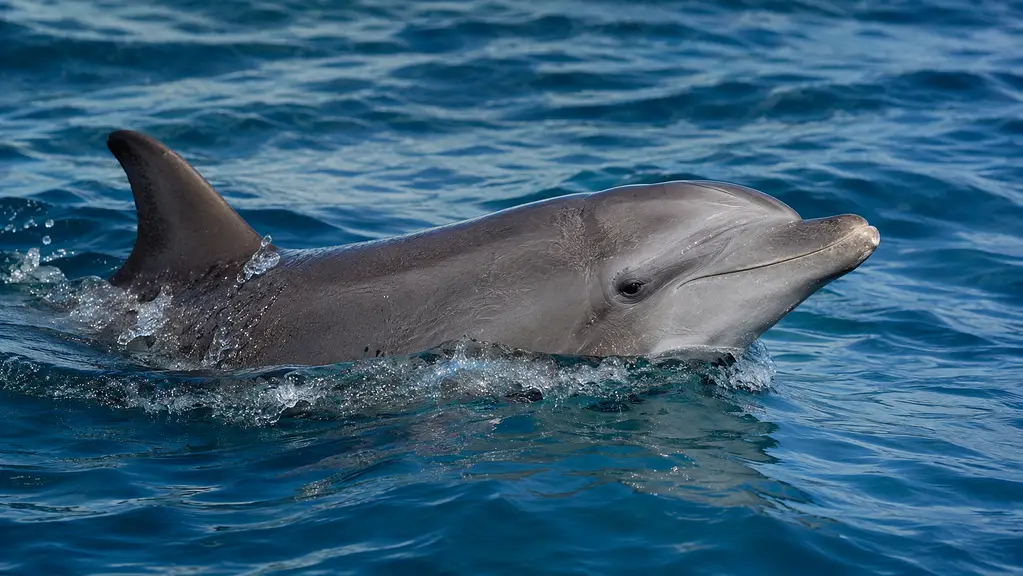
Yes, multiple dolphin species inhabit the Atlantic Ocean around Gran Canaria year-round. Bottlenose dolphins, short-finned pilot whales, and Atlantic spotted dolphins are the most commonly observed, with sighting success rates highest between 09:00–14:00 when sea conditions are calmer and cetaceans are actively feeding. Access to observation areas is free, and the waters off the southern coast between Puerto Rico and Mogán offer the most reliable encounters.
More than 28 species of cetaceans transit or reside permanently in the Canary archipelago's waters, and Gran Canaria sits within one of the Atlantic's richest marine corridors. Bottlenose dolphins form stable pods that patrol the southwest coast, often visible from headlands and coastal paths without requiring boat access. Short-finned pilot whales, technically a dolphin species despite their name, gather in deeper channels where the seafloor drops rapidly, while Atlantic spotted dolphins favor open water beyond the 200-meter depth contour. The island's volcanic topography creates underwater canyons and upwelling zones that concentrate prey species — sardines, mackerel, and squid — drawing cetaceans close to shore. Morning hours align with peak feeding activity, when dolphins are there dolphins in gran canaria hunt cooperatively in groups of five to twenty individuals. Afternoon swells and wind reduce visibility and push marine mammals into deeper, offshore zones where observation becomes difficult from land or smaller vessels. Southwest-facing coastlines benefit from the Canary Current's nutrient-rich flow and calmer leeward conditions. Puerto de Mogán, Arguineguín, and the waters off Maspalomas register the highest year-round sighting frequencies, with bottlenose dolphins present on roughly 60 percent of observation trips and pilot whales encountered on 40 percent. Striped dolphins and Risso's dolphins appear seasonally during spring and autumn migrations, identifiable by their distinct dorsal fin shapes and surface behaviors. Wild dolphin encounters depend on oceanographic variables — sea surface temperature, plankton blooms, and baitfish movements — that shift weekly. No single location guarantees sightings, but the convergence of deep water, coastal shelter, and consistent prey availability makes Gran Canaria's marine environment one of the Atlantic's most dependable for year-round cetacean observation. Observers should expect variable conditions and understand that dolphin presence reflects natural patterns, not controlled exhibition schedules.
“The Atlantic waters around Gran Canaria sustain one of Europe's most accessible year-round dolphin populations, with multiple resident species and predictable coastal feeding zones.”
When Is the Best Time to See Dolphins in Gran Canaria?
The best arrival window is 09:00–14:00, as dolphin activity is typically higher and sea conditions are calmer in the morning.
Morning hours
Low boat trafficCalm Atlantic seas
Dolphins are most active when surface conditions remain stable.
Spring and Autumn
Moderate visitor volumeMild temperatures 20°C–25°C
These shoulder seasons offer frequent sightings and stable weather patterns.
Winter months
High holiday volumeCooler 18°C–22°C
Marine life remains present, though sea conditions can vary significantly.
Verdict: The optimal time to observe dolphins is during the morning hours from 09:00–14:00, particularly throughout the spring or autumn months.
Are There Dolphins in Gran Canaria All Day Long?
As the Atlantic Ocean is a natural habitat, the waters off the coast of Gran Canaria are accessible at all hours. Dolphin observation relies on natural daylight and prevailing sea conditions.
| Monday | 00:00–23:59 | |
|---|---|---|
| Tuesday | 00:00–23:59 | |
| Wednesday | 00:00–23:59 | |
| Thursday | 00:00–23:59 | |
| Friday | 00:00–23:59 | |
| Saturday | 00:00–23:59 | |
| Sunday | 00:00–23:59 |
What Are the Costs to See if Are There Dolphins in Gran Canaria?
Observing wild dolphins in the Atlantic Ocean off the coast of Gran Canaria is a natural occurrence that does not require an entrance fee. Costs only arise if you choose to utilize commercial boat services for transport to observation areas.
There is no official admission fee to see dolphins, though commercial boat tour operators charge varying rates based on the specific services they provide.
How to Reach Locations Where Are There Dolphins in Gran Canaria
Dolphin habitats are located in the Atlantic Ocean off the coast of Gran Canaria, requiring nautical transit from established island ports. The most accessible departure points for vessels are concentrated in the southern and southwestern regions of the island.
Global Bus line 91 to Puerto Rico harbor
GC-1 motorway to Puerto de Mogán
Nautical excursion from Arguineguín port
Interesting Facts: Are There Dolphins in Gran Canaria?
The waters surrounding Gran Canaria host a diverse range of cetaceans due to the island's unique volcanic underwater topography and deep oceanic channels. These Atlantic habitats provide year-round conditions suitable for various dolphin species to thrive.
28 different cetacean species
Records indicate that 28 species of whales and dolphins have been sighted in the waters around the Canary Islands.
Bottlenose dolphins are residents
Tursiops truncatus, commonly known as the bottlenose dolphin, is the most frequently observed species in these coastal areas.
Short-finned pilot whales present
Globicephala macrorhynchus populations maintain a permanent presence off the southwestern coast of Gran Canaria.
Atlantic spotted dolphins appear
Stenella frontalis typically migrate through these waters, often showing high activity levels during the summer months.
Deep water proximity
The steep drop-off of the volcanic shelf allows deep-sea species to inhabit areas relatively close to the shoreline.
Diverse marine ecosystem
The intersection of cool currents and warm Atlantic waters creates a nutrient-rich environment that supports varied marine life.
Checklist for Visitors Asking Are There Dolphins in Gran Canaria
Boat-based dolphin watching requires careful preparation for open-water conditions and coastal departure protocols.
-
Book your dolphin tour in advance — Popular morning departures fill quickly, especially during peak season.
-
Bring valid photo identification — Tour operators require ID for all passengers before boarding.
-
Pack high-SPF reef-safe sunscreen — Atlantic sun exposure is intense on open water with minimal shade.
-
Take seasickness medication 30 minutes before — Even calm mornings can trigger motion sickness once offshore.
-
Wear non-slip closed-toe shoes — Wet decks become slippery; flip-flops are not permitted on most vessels.
-
Carry a waterproof bag for electronics — Spray and splashes are common when dolphins approach the boat.
-
Arrive at the marina 15 minutes early — Late arrivals forfeit their slot as boats depart on schedule.
Check availability
Common Questions About Dolphins in Gran Canaria
Everything you need to know about are there dolphins in gran canaria